🎃 This is how we celebrate Halloween! 👻
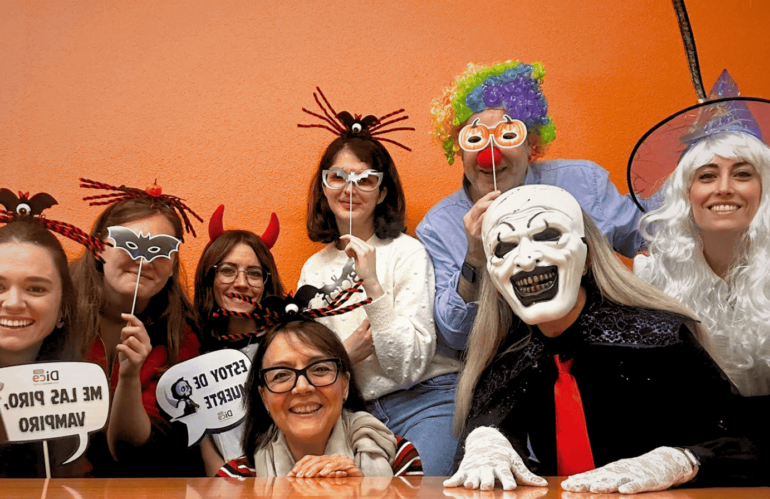
Hello everyone! The most terrifying and fun night of the year is already over and, as you know, at DICE Salamanca we love to celebrate traditions, both Spanish ones and those that come from other parts of the world. That’s why, on October 31st, we prepared an unforgettable party to celebrate Halloween and the imminent arrival of All Saints’ Day (November 1st) and the Day of the Dead (November 2nd).
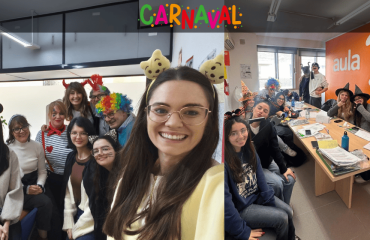
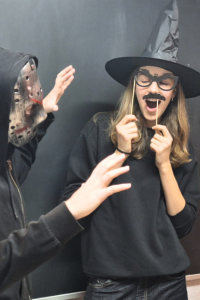
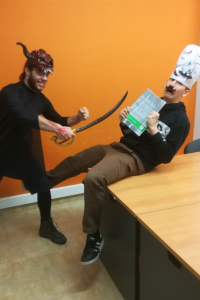
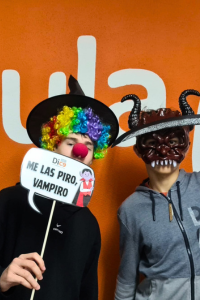
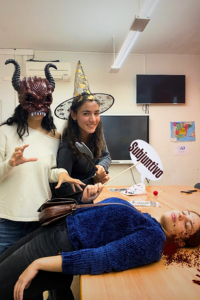
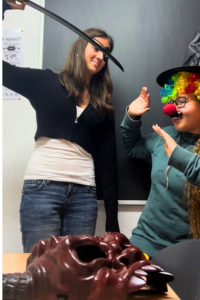
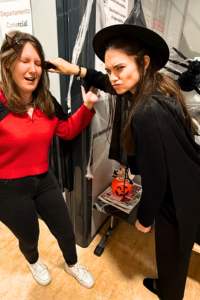
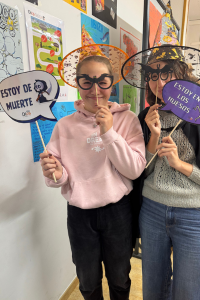
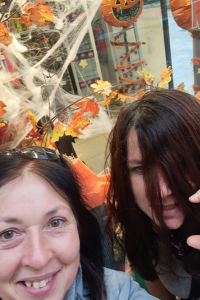
Our school was filled with pumpkins 🎃, spiderwebs 🕸️, and the most original costumes. We had a costume contest (with prizes for the most creative ones!) and, of course, lots of Spanish practice.
Halloween in Spain: a mix of traditions
Although Halloween with ‘trick or treating’ is a celebration of Celtic origin popularized in the United States, it has been adopted with great energy in Spain, especially among young people. However, deep down, this celebration merges with the traditions specific to the festivity of All Saints’ Day and the Day of the Dead.
All Saints’ Day (November 1st): This is a national holiday and a calmer, more family-oriented day. The most important tradition is visiting cemeteries and bringing fresh flowers (especially chrysanthemums) to the graves of loved ones. Autumn Gastronomy: Instead of focusing only on American sweets, the typical gastronomy for these dates is eaten in many regions. The main dishes/sweets are:
- Panellets: small sweets made from marzipan and almonds, typical of Catalonia and the Balearic Islands.
- Huesos de Santo (Saints’ Bones): marzipan shaped like a small tube filled with egg yolk.
- Buñuelos de Viento (Wind Fritters): small fried dough balls, often filled with custard or cream.
- Roasted Chestnuts (Castañas Asadas): In Northern Spain and Catalonia, the Castanyada is also celebrated on October 31st or November 1st, where roasted chestnuts and boniatos (sweet potatoes) are eaten.
Literature in Theatres: It is a tradition in many Spanish theatres to perform the play ‘Don Juan Tenorio’ by José Zorrilla. Why? Because the final act of this famous work of love and death takes place in a cemetery precisely on the night of All Saints’ Day.
Did you know…? Curiosities about Halloween in the Hispanic world
The Origin of the Pumpkin: The Jack O’Lantern tradition did not begin with pumpkins. Originally, in Ireland, turnips or beets were used to carve spooky faces to scare away spirits. Irish immigrants in America swapped the turnip for the pumpkin, which was much larger and easier to carve.
The Day of the Dead (Día de Muertos) in Mexico: It is a festival declared Intangible Cultural Heritage of Humanity by UNESCO! Although it coincides in dates (November 1st and 2nd), it is not the same as Halloween. It is a colorful and joyful celebration where the deceased are honored with offerings and altars, sugar skulls, and cempasúchil flowers (marigolds). The dead are remembered and invited to ‘return’ for one night.
‘Trick or Treat’ in Spanish? The best-known phrase of Halloween is ‘Truco o Trato’ (Trick or Treat). The phrase has been adapted in Spain, but in many places, the original English expression is simply used.